A Shelf of Small Proofs: Building a Touchable Wool Archive
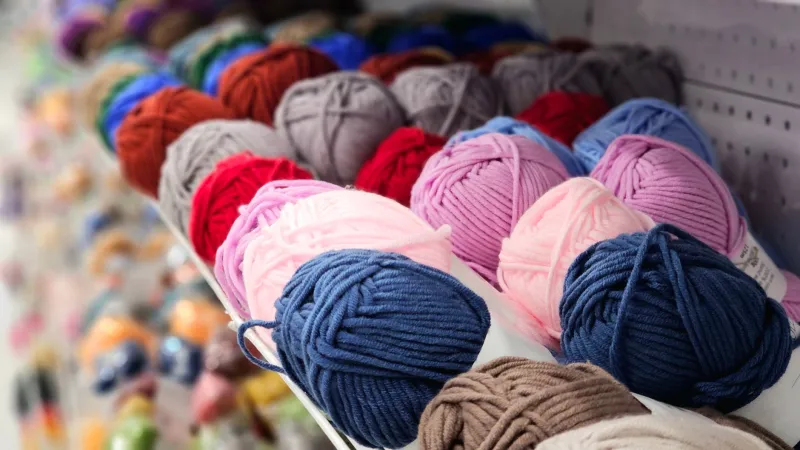
There is a kind of knowledge that only arrives through touch. You can read every description of a yarn online, study the fibre content and admire the colourway in good light, but none of it tells you quite how the wool will feel after an hour in your hands or a gentle soak in the sink. That is where a swatch shelf earns its place.
Not a display cabinet. Not a museum of perfect little squares. Think of it as a working archive: a shelf, box or drawer of small knitted proofs that reminds you how a yarn actually behaved. It is especially useful for UK knitters who buy British wool at fairs, farm shops and local yarn stores, where the same breed can appear under different names and the same weight can feel entirely different from one maker to the next.
The case for keeping the evidence
A finished jumper is a lovely thing, but it is not much help when you are standing in a yarn shop trying to remember whether that Bluefaced Leicester blend softened or grew, or whether the Herdwick felted at the cuffs. A small swatch can go in a pocket. It can be held against a new skein. It can be washed, worn and tested without risking a whole garment.
Keeping swatches also makes you a more honest shopper. We all have yarns we loved in the shop and yarns we loved less by the second sleeve. A shelf of small proofs helps separate the two. It is not about being stern with yourself. It is about giving future-you something more reliable than a vague feeling that the raspberry pink seemed nicer under the fair lights.
What belongs on the label
A swatch without a label is just a pretty square with no memory. The label does not need to be elaborate. A small card tag, a hole punch and a safety pin will do. If you prefer, write directly on a fabric label with a fine pen.
Record the things you will actually want to know later:
- yarn name, dyer or mill, and where you bought it
- breed or blend, and the listed weight
- dye lot, if there is one
- needle size and the gauge you got
- the stitch pattern used for the swatch
- how it was washed and how it changed
- a short verdict: soft, sturdy, splitty, bloomed, grew, pilled, felted
For British yarns, the breed note is worth its weight in gold. A Romney and a Shetland may both be woollen-spun and both be lovely, but they will not behave the same way. Write down what you noticed. Did the yarn soften after blocking? Did it hold its shape? Did it halo gently or stay smooth? Did it feel better in garter stitch than stocking stitch? Those are the details that help next time.
A small square is enough
You do not need to knit a blanket-sized sample for every skein. A 10cm by 10cm square is plenty for most projects, and even a smaller patch can tell you a great deal. If you are working from a single skein, knit a little companion square in the pattern you plan to use, then wash it exactly as you would wash the finished item.
Let it dry flat, out of direct sun, and label it only when it is fully dry. A swatch that is still damp can feel heavier and denser than it will once dried, and you want your notes to reflect the finished truth.
Storage matters, too. Keep the swatches somewhere dry and away from moths. A lidded box with a few cedar blocks or a lavender bag is simple and effective. If you use a shelf, a shallow basket keeps dust off without hiding the collection away. The point is to make the library easy to reach, not precious.
How the shelf changes your shopping
Before you buy a sweater’s worth of yarn, check the shelf. Hold the new skein next to a swatch of similar weight. Compare the halo, the twist and the firmness. If you are at a wool fair and tempted by a breed you have tried before, your notes may remind you that it was beautiful but heavy, or that it softened wonderfully after a soak.
This is not about talking yourself out of every purchase. It is about shopping with a clearer sense of what you actually enjoy knitting and wearing. A swatch shelf can also help you recognise the British yarns you truly love, rather than the ones that merely looked good in a photograph. That is useful when dye lots disappear, when a dyer changes base, or when you are trying to match a yarn from stash to pattern.
Let the library grow honestly
Not every project needs a swatch, and not every swatch needs to be perfect. Some will be slightly skewed. Some will be from a yarn you disliked. Keep those too. A library of only successes is less useful than one that includes the odd disappointment.
Start with the last three things you knitted. If you have a spare metre of yarn, knit a small square and wash it. If not, make a note and add a swatch next time. Over a few seasons, the shelf becomes a record of your hands and your choices: the wool that softened, the wool that held, the colour that surprised you, the breed you would happily buy again.
A shelf of small proofs will never replace the pleasure of a good yarn shop conversation. But it will make you a more thoughtful participant in it. And there is something quietly satisfying about building a library you can touch — one little square at a time.