The Second Gift: A Care Card That Travels With the Jumper
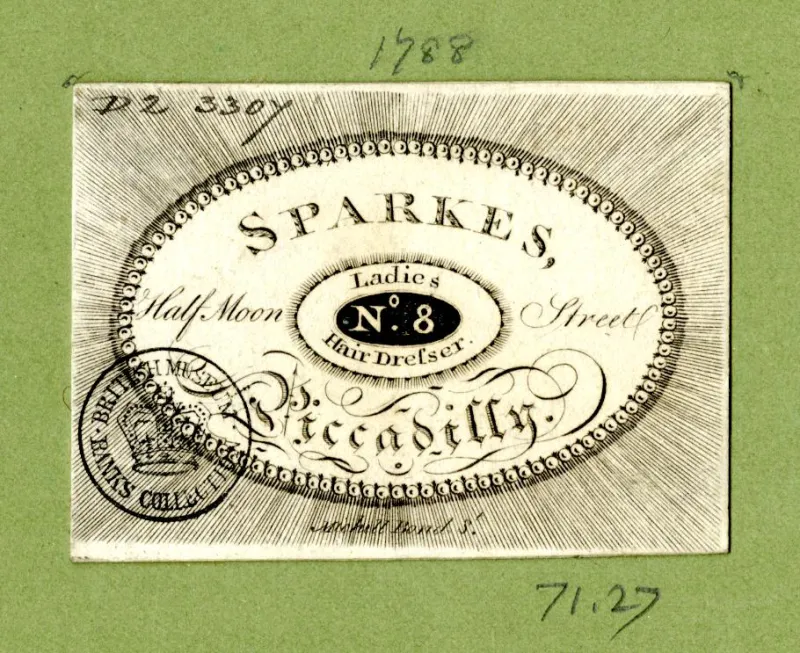
Photo: Unknown authorUnknown author, Public domain, via Wikimedia Commons
There is a particular moment, just after a handknit has been unwrapped, when the maker waits. The recipient has said thank you. The jumper is held up. The ribbon is folded into a little pile. And then comes the question, often asked lightly, sometimes not asked at all: how do I wash it?
A care card answers that question before it is needed. It is not a stern label sewn into a side seam. It is a small, friendly note that travels with the garment, carrying the maker's voice and the jumper's story. With gifting season on the doorstep, it might be the most useful thing you put in the parcel after the knitting itself.
Why a care card belongs with the gift
When you knit something, you carry a whole set of facts in your head. You know the yarn, the breed, the dye lot, whether it was a bargain from a mill shop or a skein you saved for. You know it did not go in the tumble dryer. The person receiving it knows none of that.
A care card closes the gap without making anyone feel told off. It says: this is what the thing is made of, this is how it likes to be treated, and this is what to do if it needs help. It also gives permission to repair. A jumper with a card that mentions mending is a jumper less likely to be shoved to the back of a drawer after one small snag.
What to include, and what to leave out
Start with fibre. If you know the breed, say so. If it is a blend, give the percentages and the yarn name. If it is superwash, mention it, but do not let that phrase do all the work; superwash wool still prefers a gentle wash. Add the dyer or mill if you like, and the colourway. A recipient may not need the dye lot number, but they will appreciate knowing what to ask for if they ever want a repair match.
Then add the practical bits. How to wash, how to dry, what to do about pilling. Keep it short. A care card is not a manual. Three or four lines on washing and drying will be read. A page of instructions will be skimmed and lost.
What can you leave out? The finer points of gauge and blocking, unless the recipient is also a knitter. The exact needle size is rarely useful to a non-knitter. What matters is the everyday life of the garment: keeping it away from a hot radiator, drying it flat on a towel, and knowing that a small repair is normal, not a disaster.
A card that sounds like you
A care card should not read like a care label written by a committee. Use your own voice. Instead of a list of warnings, try a few warm sentences: This is pure wool. It likes cool water and a gentle squeeze. Dry it flat, shaped like it was when it came off the needles. If it snags, do not pull it; bring it back to me and we will sort it.
That last line matters. A card is also a small invitation to stay in touch. It tells the recipient that the jumper has a maker, not just a shop receipt. In a world of anonymous clothing, that is a quiet luxury.
The questions that arrive in January
I asked Ruth Ellery, who runs a small wool shop in a market town, what people actually ask once the festive season has passed and a gifted handknit has had its first proper outing. Her answer was refreshingly practical.
'The first question is always the machine,' she says. 'Can I put it in? The second is drying: where do I put it so it does not stretch? Then, a few weeks later, it is the fuzz. They think the jumper has gone wrong because it has pilled under the arms.'
None of these are silly questions. They are the questions of people who want to wear the thing. A care card can answer them in advance, and it can do so kindly. Add a line about pilling being normal for soft wool, and a line about a small comb or a gentle hand. Add a line about drying flat, away from direct heat. Add your name and a way to reach you if a repair is needed.
A simple UK-friendly template
You do not need printed cards. A rectangle of card, a favourite pen and a few headings will do. Write it out while the jumper is still on the blocking mat, when the details are fresh.
- Fibre: British wool, 100%, from [yarn name].
- Made for: [name], Christmas 2026.
- Made by: [your name].
- Wash: Cool hand wash with a gentle wool detergent. No tumble dryer.
- Dry: Roll in a towel, then dry flat and shaped, away from radiators.
- If it snags: Do not pull. Ease the stitch back and contact me if you would like it repaired.
- A little story: The yarn comes from [dyer or shop], and the colour reminded me of [something real].
- Spare yarn: [yes/no, and where it is kept].
Keep the card with the jumper, not in a drawer. Tuck it into the folded sleeve or punch a small hole and loop it through the care label with cotton thread. It should be the first thing the recipient sees when they unfold the garment again.
The future is a few lines long
A handknit is already a generous thing. It holds hours, and thought, and the particular hope that someone will actually wear it. A care card adds one more layer: the practical kindness of information.
It does not need to be perfect. It does not need to be laminated. It just needs to say what the jumper is, how to look after it, and who to ask if something goes wrong. That is enough to give a gift a future, not just a ribbon.