The Pause Is Not a Failure: A Kind Audit of Your Half-Knitted Things
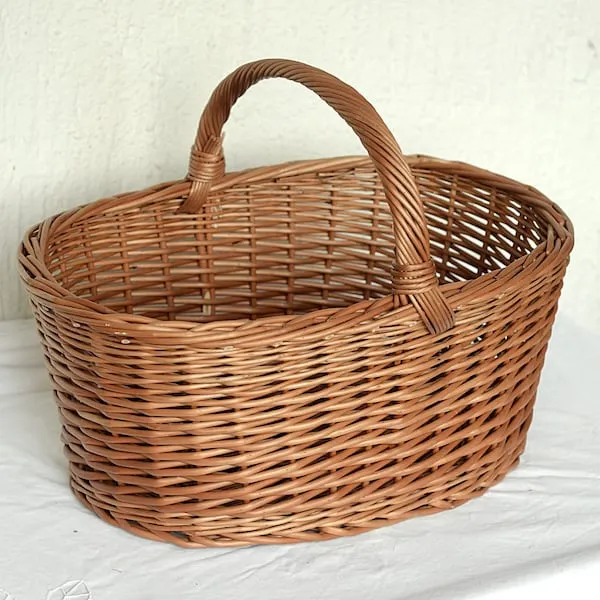
Photo: basket of half-knitted wool projects and yarn balls on a wooden table, soft natural light, via i.etsystatic.com
There is a bag behind my sofa that I have not opened since February. I know exactly what is in it: a half-finished sleeve in a rust-coloured lambswool, four stitch markers, a darning needle, and a pattern printed out and then annotated with the sort of optimism that only survives the first six inches. I have been calling it a failure for months. This week I opened it, and I would like to suggest that it is not a failure at all. It is a record.
Most of us keep them somewhere — the shelf of UFOs, the unfinished objects, the half-knits, the ones that stalled. We talk about them the way we talk about unread books: with a small, private flinch. But a jumper you stopped knitting in March is not a moral debt. It is a note you left for yourself about what you wanted, what you could do, and what changed.
What a pause actually records
Look closely at an abandoned project and you can usually date it by the tension in the fabric. The first few inches are often tight and careful, the knitter still learning the pattern. Then the stitches loosen, the rhythm arrives, and then — at some point — the knitting stops. That stopping point is rarely random.
Sometimes it marks the edge of your skill. The lace chart that made sense on paper became a fog of yarnovers at row nineteen, and you put it down to come back to when you were fresher. Sometimes it marks the edge of your patience: a sleeve knit flat, a moss stitch panel that asked for more attention than your evenings could give. Sometimes it marks the edge of your taste. That mustard you loved in October looked like a school jumper by February, and you were right to notice.
None of those are character flaws. They are the ordinary movements of a maker. Taste shifts, hands get faster, seasons turn, and patterns that once looked like the whole point of knitting start to look like homework. The UFO is evidence that you were paying attention.
So before you decide anything about it, ask the project three questions. What was true about my life when I cast this on? What has changed since? And if it were finished tomorrow, would I actually wear it?
You will not always like the answers. But they are more useful than guilt.
Three boxes, one afternoon
I do this twice a year now: once in the gloomy stretch after Christmas, once in early summer when the light is long and I feel bolder. It takes an afternoon and it does not require you to finish anything. All you need is a clear floor, three boxes or bags, and a mug that stays within reach.
Box one: finish
A project earns this box only if two things are true. First, you still want the thing itself — not the idea of being the sort of person who owns it. Second, the remaining work is genuinely small: a sleeve, a neckband, a seam, the last twenty rows of a second sock.
Be strict here, and be kind about the strictness. 'Small' means an evening or two, not another month. If a project needs a whole new skill, a new yarn order, or a chart you cannot face, it belongs elsewhere. Nothing kills momentum like a box labelled finish that contains six impossible things.
Box two: frog
Frogging — ripping back — is the most underrated act in knitting. The yarn is not wasted; it is simply on loan to the wrong idea. If the fit was always going to be wrong, if the colour has stopped speaking to you, if the pattern has been superseded by a better one, take it back.
Here is the practical bit. If the yarn is smooth and firmly spun, frog straight from the needles and wind as you go, keeping the cake loose so the fibres are not stretched. If it is sticky, haloed or single-ply, rip back in short stretches and pause often. Do not pull a long loop through a hundred stitches and hope.
And do not skip the wash. Frogged yarn is wiry and kinked, full of memory. Wind it into a hank around the back of a chair or a niddy noddy, tie it in four places with scrap yarn, and soak it for twenty minutes in lukewarm water with a drop of wool wash. No agitation, no wringing. Roll it in a towel, press out the water, and dry it flat with a light weight on top if the kinks are stubborn. It will come back soft and straight, ready to be something else.
Box three: pass on
This is the box people find hardest, and it is the one I want to defend most warmly. Some half-knitted things are not yours to finish. They are a gift to whoever does.
A part-knitted baby cardigan with the pattern tucked inside is a lovely thing to leave at a charity shop, a school craft club or a care home activity table, where someone with time and no yarn budget will be delighted by it. Local knitting groups often keep a basket of half-knits for newer members to practise on. Scrap stores and community craft banks take yarn and part-worked pieces. Knit for Peace accepts yarn and finished items, and a quiet email to any local group will usually tell you what they can use and what they cannot.
Label generously. Write the yarn, the needle size, the pattern name and the row you stopped on, and pin it to the work. The knitter who picks it up will thank you, and so will the wool.
A last word for the shelf
After my audit, the rust sleeve went into the finish box with a note: one evening, then a bath. A sock I had cast on for a train journey went into the frog box, and the yarn is now dry and rewound, waiting for a hat. And the lace shawl I started three summers ago — the one I have been quietly ashamed of — went into the pass-on box with its chart, its remaining yarn and a note that said, simply, good luck, it is a lovely pattern.
I felt lighter than I have in months. Not because I had finished anything, but because I had stopped asking a bag of wool to be a verdict on my character. Cast on, put down, pick up, hand on. That is the whole cycle, and every part of it belongs to the craft.