Ten Sheep, Ten Skeins: A Knitter’s Field Guide to British Breeds
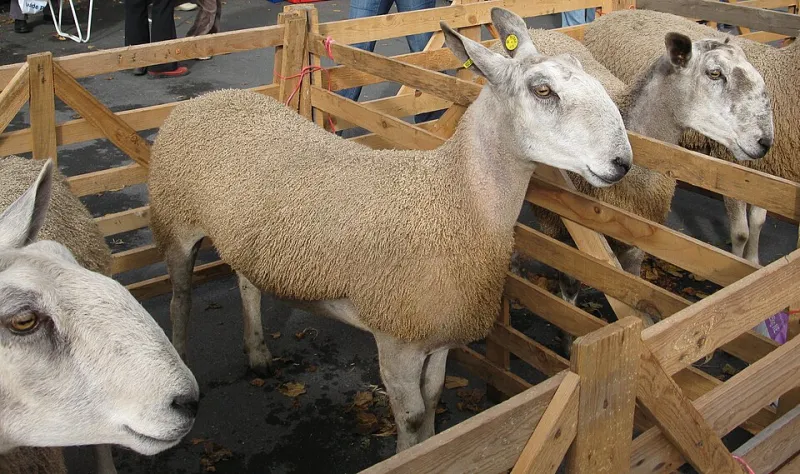
Photo: Jane Cooper Orkney, CC BY-SA 4.0, via Wikimedia Commons
Most of us learn to choose yarn the other way round. We start with the pattern, then the weight, then the colour, and only at the very end do we glance at the fibre content and shrug at the word ‘wool’. It is a perfectly workable way to knit. But it does mean we miss the best part of the story — the bit where a specific sheep, on a specific hill, in a specific county, produced exactly the fleece that is now sitting in our lap.
Knowing the breed changes the decision. It tells you whether a yarn will hold a cable or droop, whether it will soften next to a neck or scratch, whether that beautiful navy will stay crisp through three winters of wear. So here is a short field guide to ten breeds you will meet on British yarn labels — not as a test, but as a set of introductions.
Start with the sheep, not the shade
A fleece is a set of physical facts: how fine the individual fibres are, how long they grow before shearing, how much crimp they carry, how much lustre they hold. Fine and short usually means soft and cosy but less durable. Long and lustrous usually means drape and strength but a cooler, slicker hand. Crimp gives bounce and memory. Kemp — those short, chalky fibres — gives toughness and a slightly prickly edge.
Those facts do not change because a yarn is dyed a lovely shade of damson. They are the reason two skeins of the same weight can behave like entirely different materials.
The soft end of the flock
Bluefaced Leicester is the one that gets knitters talking. Fine, long-stapled and blessed with a faint halo, it makes yarn that feels noticeably softer than its price suggests, with real drape. It is a fine choice for shawls, gloves and lightweight sweaters worn against skin. The trade-off is memory: BFL does not spring back like a down breed, so ribbing can relax and loose spins can pill. Swatch a bigger piece than you think you need.
Shetland is the opposite pleasure — springy, dry, faintly crisp, and astonishingly warm for its weight. It blooms gently after blocking, holds colourwork crisply and has been knitted into haps and Fair Isle yokes for centuries for the very good reason that it works. Treat it kindly in the wash; it will felt if you get careless with heat and agitation.
Ryeland is the quiet one. Dense, plump in the hand, softer than its down-type label implies, and with enough loft for properly warm mittens and hats. It blooms, which is lovely in stocking stitch and slightly blurring in lace.
The hill and the moor
Cheviot comes off the border hills and knocks about in weather for a living. Firm, slightly hairy, resilient, it makes outerwear and socks that simply refuse to give up. It softens with wear but never goes limp, which makes it a fine partner for gansey-style stitch patterns and everyday sweaters you intend to actually use.
Swaledale is the great northern character with the black face and the curling horns. Its fleece is coarse and kempy — most of it goes into carpet — but small mills and handspinners turn it into rugged, felted, weatherproof things: bags, slippers, boot liners, garden knits. It is not a next-to-skin yarn in most spins, and it is not trying to be.
Black Welsh Mountain gives a deep brown-black fleece of medium handle, honest and hardwearing, and a natural colour that no dye quite replicates. Use it as the dark contrast in colourwork, or knit a whole jumper and watch how the shade shifts depending on the light in the room.
Lustre, length and colour
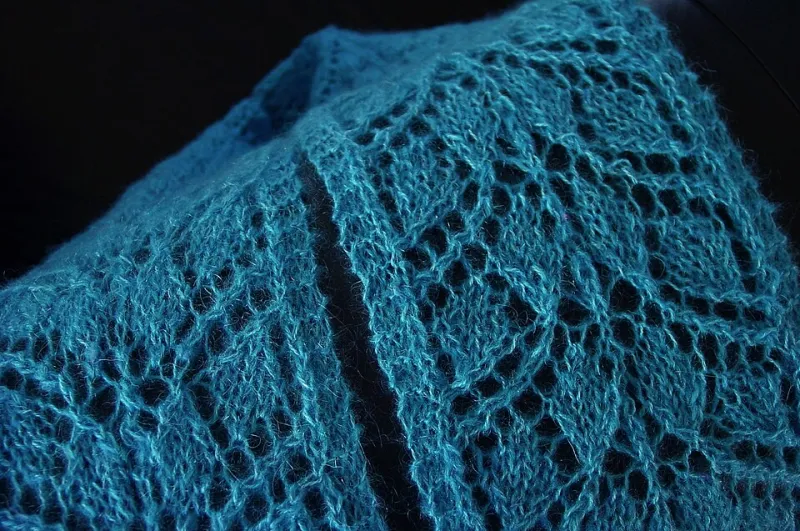
Wensleydale is pure glamour: long, lustrous ringlets, tremendous strength and a shine that catches across a room. It drapes, it shows texture, and it makes lace with real presence. Against bare skin it can feel wiry, so it earns its keep in shawls, wraps and statement pieces worn over something else.
Border Leicester is the workhorse of the lustre family — bright, silky, with superb stitch definition. Cabled cardigans knit in it look almost carved. It has less bounce than the down breeds, so it suits structured shapes more than slouchy ones.
Jacob is the two-tone favourite, its fleece naturally split into pale and dark patches, which means you can knit colourwork without a single dyepot. Medium, slightly crisp, durable, and full of character; some fleeces carry a little kemp, which only adds to the texture.
Manx Loaghtan — the rare, many-horned sheep of the Isle of Man — gives a warm mid-brown fleece of medium handle that knits into rustic, gansey-adjacent sweaters and beautifully muted colourwork. Shade varies from fleece to fleece, so buy enough for the whole project in one go.
A quick comparison table
| Breed | In the hand | Reaches for | Worth knowing |
|---|---|---|---|
| Bluefaced Leicester | Fine, soft, faint halo | Shawls, gloves, light sweaters | Low memory; can pill in loose spins |
| Shetland | Springy, dry, gentle crisp | Colourwork, haps, everyday hats | Felts with heat and agitation |
| Ryeland | Dense, plump, quietly soft | Mittens, hats, cosy knits | Blooms and blurs fine lace |
| Cheviot | Firm, slightly hairy, tough | Outerwear, socks, workaday sweaters | Softens but never goes limp |
| Swaledale | Coarse, kempy, unmistakably rugged | Rugs, felted bags, slippers | Not a next-to-skin yarn |
| Black Welsh Mountain | Medium, deep brown-black | Contrast colourwork, sturdy jumpers | Needs good light to knit |
| Wensleydale | Lustrous, strong, drapey | Lace, texture, statement pieces | Wiry against bare skin |
| Border Leicester | Bright, silky, crisp definition | Cabled cardigans, structured knits | Less bounce than down breeds |
| Jacob | Medium, slightly crisp, two-tone | Colourwork, stripes, bags | Some fleeces carry kemp |
| Manx Loaghtan | Warm brown, medium, honest | Gansey-style sweaters, rustic colourwork | Shade varies fleece to fleece |
Why the label matters more than the shade card
A single-breed yarn tells you what to expect before you cast on. A blend tells you what the mill was trying to achieve. Neither is better, but they are different kinds of information, and knowing which one you have in your hands is the difference between a project that behaves and one that surprises you in March.
There is a quieter benefit too. Many of these breeds are rare or minority populations, and their survival is tied directly to whether their fleece has a market. Every skein of Manx Loaghtan or Black Welsh Mountain bought from a small producer is a small vote for keeping that flock on that hill.
Finding breed-specific British yarn in 2026
Breed societies are an underused resource: most publish lists of member farms and the mills that process their wool. Beyond that, the shows are where the labels get honest. Wonderwool Wales at Builth Wells in April, Wool@J13 in Staffordshire in May, Yarndale in Skipton in September and the Masham Sheep Fair at the end of the season all put growers and small mills in the same room as knitters — which means you can ask, face to face, which farm the fleece came from.
In shops, look for single-breed naming on the band rather than a generic ‘British wool’ claim, and don’t be shy about asking for the mill. Several long-standing British producers — Jamieson & Smith in Shetland, Blacker Yarns in Launceston, Garthenor in Wales, West Yorkshire Spinners in Keighley — build whole ranges around specific breeds and are happy to talk provenance.
Cast on with the sheep in mind
You do not need to memorise micron counts to knit well. You only need to know that the softness you feel in a skein was a survival strategy on a hillside, and that the bounce in your ribbing came from a particular kind of crimp. Choose the sheep, and the yarn tends to choose itself.