When the Stash Arrives Without a Pattern: Sorting an Inherited Yarn Collection
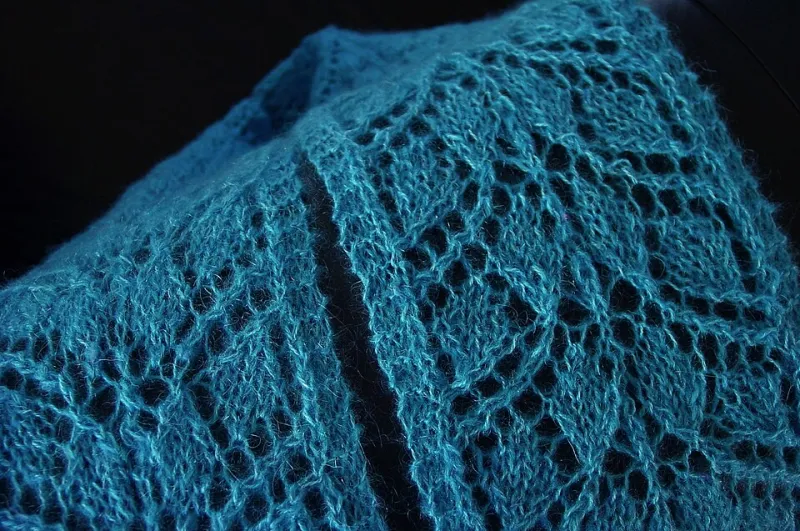
Photo: Breibeest, CC BY 2.0, via Wikimedia Commons
Yarn arrives at the door in all sorts of containers: a faded carrier bag, a plastic crate held together with string, a suitcase that still smells faintly of someone else’s house. Someone has died, or moved, or finally admitted they will not knit through it, and you have been handed the whole tangled honour of it. The inheritance skein is rarely just yarn. It is memory, obligation and a pile of half-finished stories, all wound together.
Here is the first thing worth saying out loud: you do not have to knit it. You do not have to make a jumper from your aunt’s bargain-bin acrylic, or finish the cardigan your neighbour started in 1998. Yarn is not a moral test. It is a material, and materials can be kept, used, displayed, donated or composted if they are natural fibre and truly past it. The aim is not to be dutiful. The aim is to be thoughtful.
First, let it sit
Do not sort the whole lot on the day it arrives. Put the bags in a dry room, away from direct sunlight and radiators, and leave them for a week if you can. Grief and obligation make strange decisions. You may feel you should keep everything, or you may want it gone by teatime. Neither urge is a plan.
When you do open the bags, work in daylight and keep a bin bag nearby for anything damp, mouldy or riddled with moth holes. Check for signs of pests: little webbing, gritty frass, broken fibres along the fold. If you suspect moths, isolate the yarn in sealed bags and deal with it before it meets your own stash. A spell in the freezer can help with some pests, but fragile wool and old labels need gentle handling. When in doubt, ask a local yarn shop or textile conservator rather than guessing.
Sort by fibre, not by guilt
Make three rough piles: keep, pass on, and decide later. Then sort the keep pile by fibre and weight. Pure wool, alpaca, cotton, linen, acrylic and mystery blends all behave differently. Old labels may be missing, so use your hands. Does it feel springy? Dry? Slippery? Does it snap easily when tugged? A simple burn test on a small snipped end can tell you whether a fibre is plant, animal or synthetic, but only do it safely, outdoors, with a bowl of water nearby.
This is also the moment to notice what you actually like. An inherited stash often contains colours you would never choose and quantities that suit nobody’s pattern. That is fine. You are allowed to keep the grey Shetland and pass on the fluorescent baby DK. Taste is not a betrayal.
The keep box
Choose a small number of skeins that mean something. Perhaps it is the wool from a favourite holiday, the ball band with your grandmother’s handwriting, or the colour that reminds you of a kitchen table. Keep enough to make one small, useful thing: a hat, mitts, a hot-water-bottle cover, a few coasters. A single skein can become a memory object without becoming a whole wardrobe.
Write a note and tuck it in with the yarn. Who owned it, where it came from, what you remember. Future you will be grateful. If the skein is too fragile to knit, consider displaying it in a glass jar or stitching a small swatch to frame. Not every inheritance needs to be worn.
The pass-on pile
Be honest about volume. A whole stash can overwhelm a charity shop, especially if it is unlabelled, dirty or in tiny oddments. Sort the pass-on pile into clear categories: good full balls with labels, useful oddments, and textile waste. Good yarn can go to a local knit group, a school craft cupboard, a prison knitting scheme, a care home activity coordinator or a community project. Oddments can stuff draught excluders or go to a scrap store that accepts textiles.
Charity shops are a good option if the yarn is clean, dry and clearly priced. Ring first. Some shops have no space for craft donations, and a bag left outside the door is not a gift, it is a job for someone else. Local Facebook groups, Freecycle and community noticeboards can also work well, especially if you offer the lot in one go and are clear about what is included.
Where to pass it on in the UK
Start with the places you already know: the library knit club, the Women’s Institute, the church hall craft morning, the repair café that has a textile table. Ask the person who runs it whether they want yarn and what kind. A school may want acrylic for pom-poms but not precious laceweight. A community allotment group may want wool for scarecrow hats. A local wool pool or spinning group may take fleece or unspun fibre, though not every group has the capacity.
If you want a wider reach, look for UK organisations that accept craft supplies for community projects. Some hospitals, refugee support groups and family centres run craft sessions and welcome clean materials. Always check current donation guidelines. The kindest donation is the one that does not create extra work.
If you do want to knit it
You are allowed to make something new from inherited yarn, but choose a project that suits the yarn rather than the ghost. Weigh the skeins. Measure the yardage if you can. Swatch. If the yarn is scratchy, use it for outerwear or felt it. If it is a strange quantity, make a blanket square, a striped scarf or a charity hat. If it is a half-finished project, you can unravel it, skein it, wash it and let it become something else. The unfinished cardigan is not a command.
A small finishing ritual
When the sorting is done, keep one clear box for the yarn you are keeping, label it, and put the rest in the car or by the door. Then make a cup of tea and look at what you have chosen. You have not erased anyone. You have made room for the next stitch, and that is a generous thing to do for yourself and for the person whose stash landed on your doorstep.