Six Chairs, One Kettle: What Keeps a Village Knitting Group Going

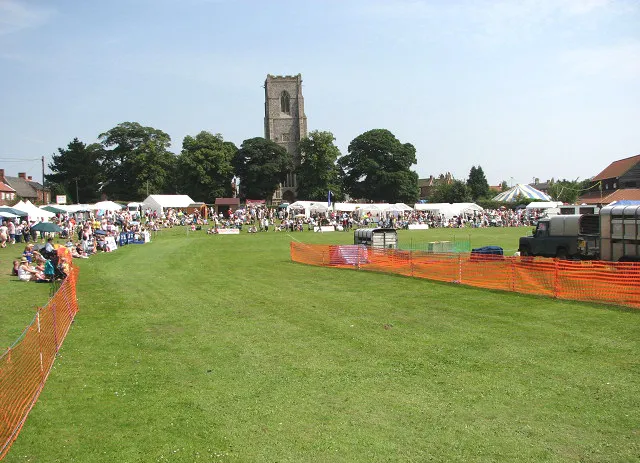
Photo: Tobias "ToMar" Maier, CC BY-SA 3.0, via Wikimedia Commons
Thursday, half past seven, the back room of the pub. The table by the fire has been claimed, the chairs are arranged in the slightly lopsided oval that only this group uses, and somebody has already put the kettle on even though the pub has a proper coffee machine and everyone knows it. By eight there are nine people, three projects, one crocheter, a woman mending a coat who has never knitted in her life, and a plate of biscuits nobody will admit to bringing.
I have been going to this table, on and off, for years. I have also watched four other groups start up and quietly stop. The difference between the two outcomes has almost nothing to do with skill, and everything to do with a set of habits nobody writes down.
The things that turn out not to matter
The room. Some of the longest-running groups in the country meet in a draughty church hall with a broken radiator and a faint smell of hymn books. A beautiful space is nice for the first week and irrelevant by the fourth.
The name. Nobody has ever stayed away because a group was called “Knit and Natter”.
The social media presence. A group with an Instagram account and no greeter will die before one with a handwritten notice in the library and a person at the door.
The founder's ability. A brilliant knitter can be a slightly intimidating host.
The things that do
A fixed time that does not move. Every six weeks of rescheduling and the group is over. Thursday is Thursday. People build their week around it, and the ones who need it most are often the ones who cannot cope with a shifting date.
Someone who arrives early. Not a committee. One person who gets there fifteen minutes before everyone else, puts the chairs out and is sitting down, visibly relaxed, when the first nervous newcomer walks in. Almost all the warmth of a group is front-loaded into those fifteen minutes.
A kettle, and a loose understanding about money. A honesty tin. A pound a head if there is room rent to cover. The important thing is that no one has to do mental arithmetic at the door, and nobody is quietly staying away because two pounds is two pounds this month.
A rota for the boring jobs. Whoever books the room, whoever holds the key, whoever remembers the milk. If one person does all of it, that person will eventually move house, and the group moves with them.
Permission to bring nothing. There should always be room at the table for the person who has come to sit and drink tea and not knit a stitch. They usually start knitting in March.
The etiquette nobody announces
Bring work you can do while talking. A lace chart that needs your full attention is fine — you can still come — but be honest about it rather than sitting in frowning silence and making everyone think they have offended you.
Ask before you teach. “Would you like a hand with that?” is a completely different sentence from “you're doing that wrong,” even though the advice that follows may be identical. And never take the needles out of someone's hands to demonstrate. It is astonishing how often this happens and how completely it puts a beginner off.
Offer once, then drop it. The yarn doctor role is one of the great pleasures of a knitting table, and also one of the great irritations. Say your piece about the twisted stitch, and then let them knit it their own way for six weeks. They will come round, or they will not, and either outcome is fine.
No leaderboard. Show and tell works when it is genuinely that — a chance to hold up the thing you finished and have eight people say something appreciative. It stops working the moment finishing becomes competitive.
Ask before you touch, ask before you price. Somebody's jumper cost £180 in yarn and somebody's cost £12 out of a charity-shop bag, and both of them are at the same table, and neither of them needs to explain themselves.
Beginners are the point, not the problem
Every group says it welcomes beginners. Far fewer behave as though they mean it. The newcomer has almost always spent a fortnight convincing themselves they will be intruding, and will decide within the first ten minutes whether to come back. What they need is a chair, a cup of tea, a name, and one simple question about something other than knitting.
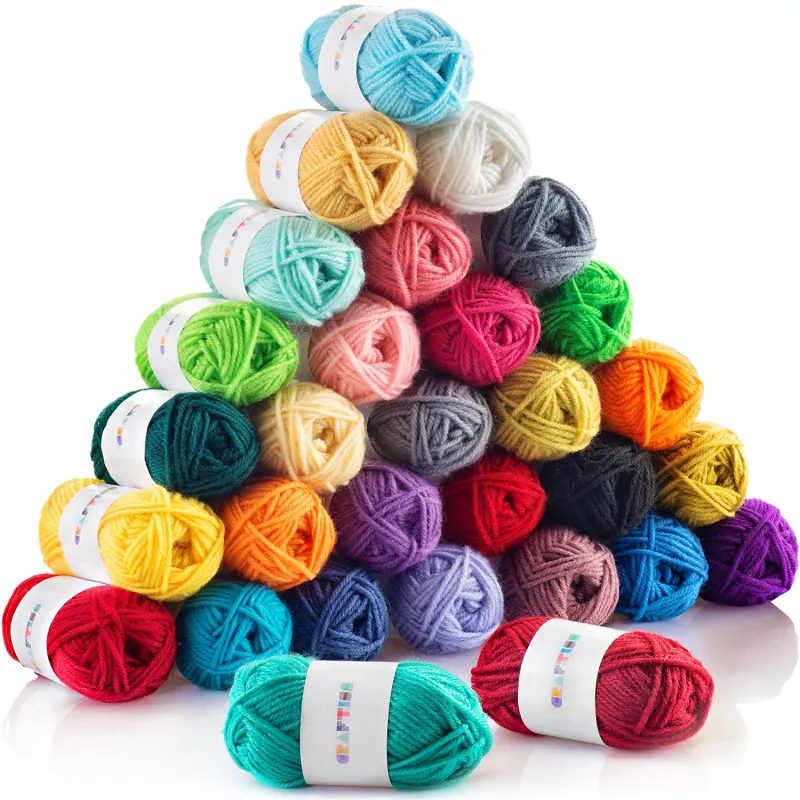
Keep a box of spare needles and cheap acrylic. Appoint nobody in particular to be the person who teaches casting on. It happens naturally when the atmosphere is right, and it absolutely does not when it is not.
Where groups go wrong
The programme problem: turning a knitting group into a rolling series of workshops. There is a place for classes, but if every session has a topic, the people who just want to sit and knit quietly stop coming, and they are usually the ones who hold the room together.
The clique problem: in-jokes about a yarn club nobody else is in, a seating arrangement that has not changed since 2019, a conversation about a holiday that three people went on. These are not unkind, and they are fatal.
The ghost problem: somebody stops coming, and nobody notices for six weeks. A message costs nothing and is, in my view, the single most underrated act of community a group can perform.
The work nobody sees
Long before anyone finishes a jumper, these tables do a quiet kind of civic work. Baby hats for the neonatal unit. Twiddlemuffs for the memory clinic. Blankets for the refugee drop-in. Poppies in October. Lifts home for the person who no longer drives. Somebody noticing that so-and-so's husband has been poorly.
None of that appears in the minutes, because there are no minutes. It is just what happens when twelve people sit in a room together every week for a decade.
If you are thinking of starting one
Pick a night and stick to it. Book a room you can actually afford. Put a notice in the library, the yarn shop and the post office window. Expect four people. Be delighted with six. Keep going through February, which is when everything in this country quietly gives up.
And put the kettle on early.