Lifting the Lid: Buying Your First Raw Fleece at a UK Wool Fair
There is a particular moment at a wool fair, usually somewhere between the second cup of tea and the raffle, when you find yourself standing in front of a trestle table covered in black bin bags. Each one has a paper label: breed, farm, sometimes a name. Prices are chalked on a board. Somewhere nearby a shearer is telling a story and someone is laughing. It is a strange, wonderful sight, and if you have only ever bought yarn in neat skeins with labels and dye lots, it can also be quietly terrifying.
But a raw fleece is where yarn actually starts, and buying one is a lot less mysterious than it looks. You just need to know what you are picking up before you commit to carrying it to the car.
Why a bin bag, and why now
A whole British fleece usually weighs between two and five kilos. After you have skirted away the rubbish and washed out the grease and the dust, you can expect to keep roughly half to two thirds of it. A decent commercial fleece might cost you somewhere between £8 and £15 a kilo at a fair; rarer breeds command more, and a beautifully prepared show fleece can be £40 and worth every penny.
Do the sums against your last yarn purchase and it becomes clear why spinners, felters and carders get quietly excited in autumn. Fleece is often described as the cheapest fibre you will ever buy, which is true as long as you are honest about the work involved. It is not a fast purchase. It is a slow one, and that is rather the point.
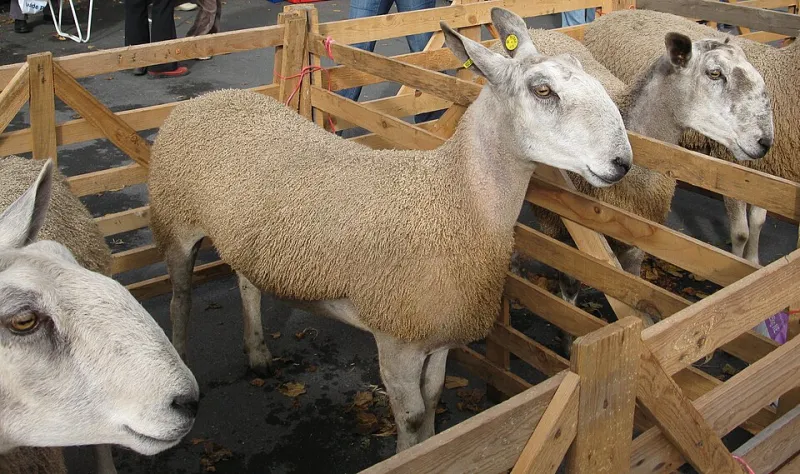
Fairs such as Yarndale in Skipton, Wonderwool Wales at Builth Wells, the Bakewell Wool Gathering and the sheep fairs at Masham are all good hunting grounds, and so are the fleece sales that many county shows and local auction marts still run. Arrive early. The best bags go by eleven.
Before you go: know your numbers
Decide in advance roughly what you want, because a bin bag in the hand is a persuasive thing. Will you spin it in the grease, or wash first? Are you carding into rolags or combing for a smoother yarn? Do you have a drum carder, or will you be working with hand cards on your knees?
It also helps to split the cost and the work with a friend. One fleece between two knitters is a lovely arrangement, and many sellers are happy to sell half. If you only want to dabble, ask whether they have any smaller bags or a bag of skirtings to sell cheaply.
Reading a fleece in sixty seconds
You do not need a fleece judge's eye to spot the obvious. Open the bag, pull out a handful, and look.
Staple length. Stretch a lock between finger and thumb. Under about 5cm is short and better suited to carding into woollen-spun yarn or felting; 7cm to 15cm is a lovely all-rounder for spinning; much longer than that and you are in combing and worsted territory, which is a different skill set.
Crimp. The wave in the lock tells you about bounce and elasticity. Tight, even crimp usually means a springy, warm yarn. Looser waves suit drape.
Soundness. Give a lock a gentle tug. If it snaps or feels brittle at the tip, that matters - a fleece that has weathered badly or been stored damp will not improve with washing.
Vegetable matter. Bits of hay, burdock and bracken are normal and mostly pick out. A fleece so full of chaff that it crackles is a long evening with tweezers.
Second cuts. Short stubble where the shearer has gone over the same spot twice. Fine in small amounts; tedious in bulk.
Felted or tender patches. Squeeze the fleece in a few places. Any solid, matted lump is a sign it got wet in storage or was roughly handled.
Also give it a sniff. A healthy fleece smells of lanolin and sheep - faintly sheepy, not sour. A musty note means damp, and damp means trouble.
Five questions for the seller
Stallholders are usually delighted to talk, so ask properly. What breed is it, and is it pure? When was it shorn? Has it already been skirted, and by whom? Was it coated in the field? And, most usefully: what have you done with this fleece's siblings?
That last question tells you more than any label. Someone who has spun their own fleece will tell you honestly whether it drafts easily, whether it is greasy, and how much weight you will lose.
Getting it home without regrets
At the fair, bag it properly and write on it: breed, farm, date, price. In the boot, keep it away from anything damp. At home, if you are not starting straight away, store it somewhere cool and dry and breathable - not a sealed plastic box, which traps moisture, and not the airing cupboard, which bakes the grease in. A cotton pillowcase inside a lidded bin is plenty. If moths worry you, a spell in the freezer for a week, then a slow thaw, sees off most lurking livestock.
Skirting on the kitchen floor
Spread the fleece on a sheet, ideally outside or in a room you do not mind hoovering. Shake it gently. Then pull away the outer edges - the dirty legs, the dung tags, the brittle tips, the felted bits. Work in sections rather than trying to do the whole thing at once. Two hours of skirting is a good evening's work and a very satisfying one, and what is left will look immediately more like fibre and less like a hedge.
To wash, or not to wash
Spinning in the grease is traditional and deeply pleasurable, but it does mean scouring the finished yarn, and any dirt you spin in stays in until then. Washing the fleece first gives you a cleaner spin and a better sense of colour. Either way, use a wool-specific wash and plenty of hot - not boiling - water, no agitation, and no wringing. Soak, lift, drain, repeat until the water runs clear.
Small projects that make a bin bag feel manageable
Start small on purpose. Card a dozen rolags and knit a pair of mittens. Make a needle-felted bird for the Christmas tree. Fill a cushion cover with teased fleece for the dog's bed. Spin one skein, however lumpy, and knit it into a hat you will wear in the garden. Or peg-loom a small rug - unfashionably simple, unfailingly pleasing.
There will be bits of your fleece you cannot use, and that is fine. Compost them, or leave them out for the birds at nesting time. Nothing about this process needs to be tidy. It needs to be yours.
The long version of a short journey
Buying a raw fleece is a small act of faith in slow making. It takes you one step further back from the yarn shop shelf, towards a hillside, a shepherd and a sheep that has already grown the next one. The bin bag on the trestle is not glamorous, but lift the lid, look closely, ask a question or two - and you will find the beginning of something rather good.