The Mend Is Part of the Make: Why Visible Repairs Belong on Your Best Handknits

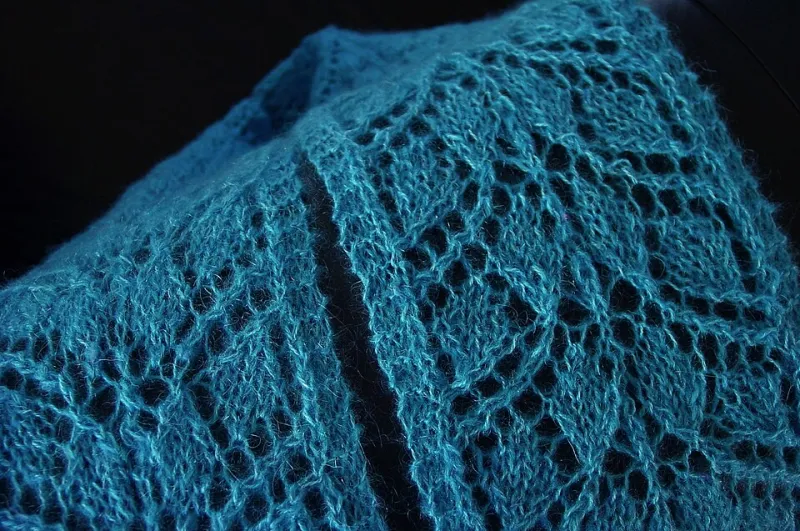
Photo: visible mending hand knitted jumper colourful darning close up UK, via i.ytimg.com
There is a jumper in my house that has been to more places than I have. It has a darned elbow in a shade of rust that does not appear anywhere else in the garment, and I would not change it for a perfect one. The repair is not a scar I am hiding. It is the part of the jumper I look at first.
That is the case I want to make for visible mending: not as a last resort for the threadbare things at the back of the drawer, but as a proper part of slow fashion. If you have spent forty hours knitting a jumper, the least you can do is spend forty minutes keeping it alive.
The repair shelf is not a naughty step
Most of us have a repair shelf, even if it is really a bag under the bed. It is where handknits go when they lose a cuff, wear through at the elbow, or develop a small hole that feels too annoying to deal with and too precious to throw away. The repair shelf is not a bad place. But it should be a waiting room, not a retirement home.
Visible mending changes the conversation. Instead of asking how to make a repair disappear, it asks what the repair can add. A darned heel can become a feature. A patch on a sleeve can pick up a colour from the yoke. A jumper that has been mended is not a lesser jumper; it is a jumper with a longer story.
Swiss darning and Scotch darning: two good places to start
Swiss darning, sometimes called duplicate stitch, is the quiet one. You follow the path of the original stitches with a tapestry needle, working over the surface of the knit. It is excellent for thin spots, worn elbows and the first signs of trouble at a heel. Because it follows the existing stitches, it reinforces without adding a bulky patch. Use a blunt tapestry needle, good light and a darning mushroom or a small ball inside the work to keep the fabric from stretching out of shape.
Scotch darning is the builder. You work a network of running stitches across a hole, then weave across them to create a small woven patch. It is slower and more structural, and it is very good for holes that have gone through. Neither technique needs a sewing machine. Both reward patience more than perfection.
Choosing a mending yarn that respects the knit
Think fibre first. A non-superwash wool patch on a superwash wool jumper will behave differently in the wash, and a soft singles yarn may not last long on a hard-wearing heel. Match the weight of the mending yarn to the original knit, or go slightly thinner rather than thicker. A yarn that is much thicker will create a lump; a yarn that is much thinner will wear through again.
You do not have to match the colour. In fact, a contrasting yarn can be a design decision rather than a confession. Pick a colour already present in the knit, or choose something deliberately bright and cheerful. The important thing is that the mending yarn is strong enough for the job and soft enough that you will still want to wear the garment. If you are mending a sock heel, a wool and nylon blend may be more hard-wearing than a pure wool. If you are mending a favourite jumper, a similar wool will keep the drape and handle close to the original.
Make a small sample first if you are unsure. Work a few duplicate stitches on a swatch, wash it, and see how it settles. A mending yarn should be a collaborator, not a bully.
Where to find a teacher in 2026
In 2026, the appetite for repair is easy to find. Repair Cafés run across the UK and often have textile volunteers who can help with simple darning. Many independent yarn shops run mending clinics, or they can point you towards a local mender. Local knitting groups are another good route: someone will have a darning mushroom, a favourite needle and strong opinions about Scotch darning.
The Knitting & Stitching Show and similar textile events often include visible mending workshops, and the Association of Guilds of Weavers, Spinners and Dyers can help you find local guild activity. For specialist restoration, look for experienced textile conservators or menders through local guilds and yarn shops, and ask to see previous work. You do not need a qualification to darn a jumper, but you do want someone whose repairs suit the way you wear your clothes.
The bright little scar
The point of visible mending is not to make the mend invisible. It is to make it honest. A repair is a record of use, and use is what handknits are for. The jumper with the rust elbow is not damaged goods. It is a jumper that has been loved enough to be kept.
So bring something down from the repair shelf this winter. Choose a yarn you like, find a quiet hour, and put a bright little scar on your best handknit. The mend is part of the make.